Follow Me On Social Media!

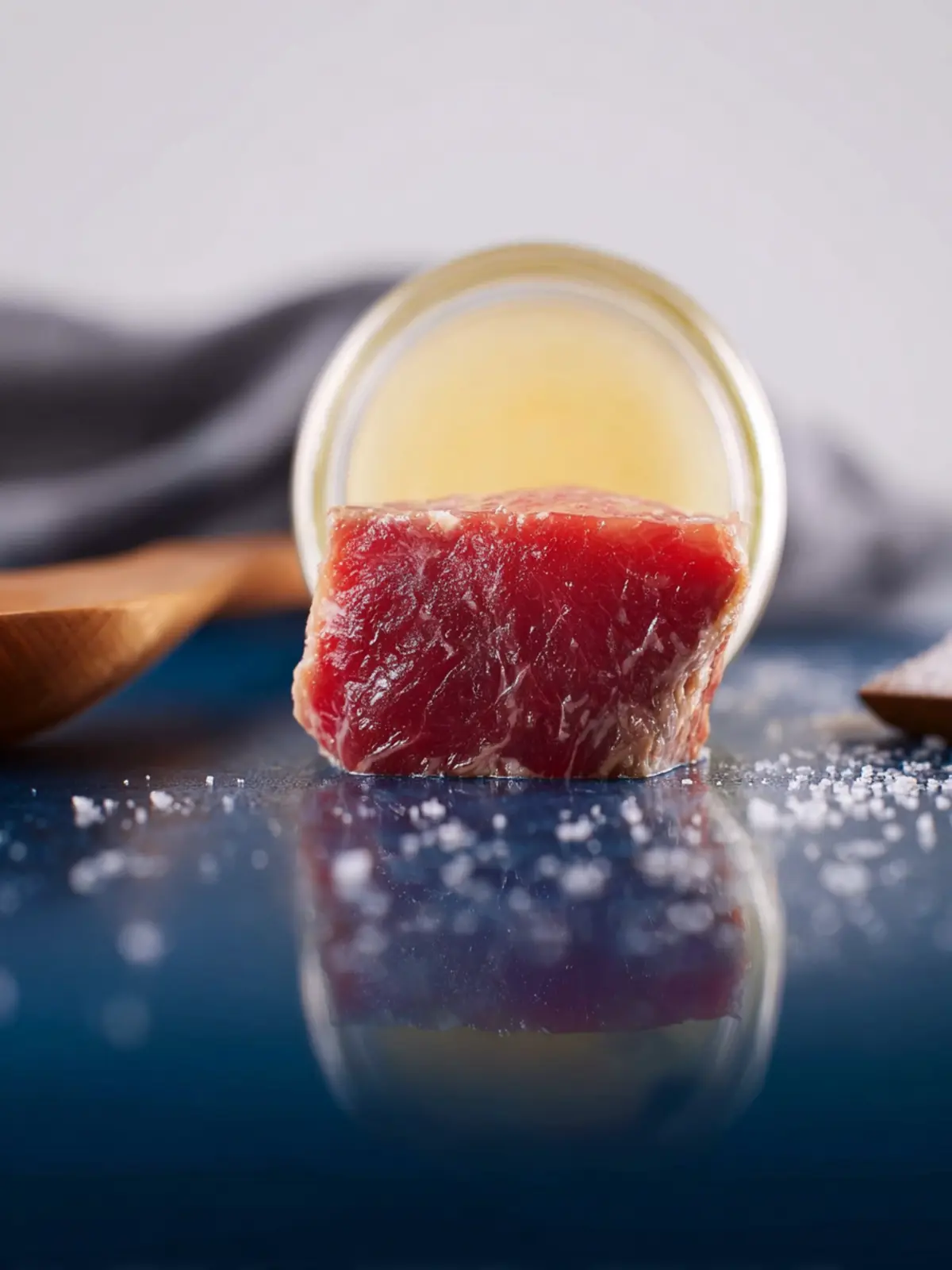
How to Make Beef Tallow: The Best Homemade Cooking Fat

Introduction to Making Beef Tallow from Fat
Making beef tallow from fat is not just a culinary adventure; it’s a journey into embracing sustainable cooking and maximizing the flavors of your dishes. Picture this: you’ve just finished a delicious cut of beef, and instead of tossing the leftover fat away, you’re transforming it into a luxurious cooking fat that enhances your meals in ways you never imagined. That’s right! The humble beef fat becomes golden, versatile tallow that can be used for frying, baking, or even as a base for your favorite sauces.
But why is homemade beef tallow a game changer?
Why is Homemade Beef Tallow a Game Changer?
The benefits of making your own beef tallow extend far beyond just saving money at the grocery store. Here are a few compelling reasons to give it a try:
-
Quality Control: By rendering your own beef tallow, you’re in charge of the quality. You get to choose the source of the fat, ensuring it comes from grass-fed, hormone-free cows, which is not only better for your health but also for the environment.
-
Rich Flavor: Store-bought cooking oils can often lack character. In contrast, homemade beef tallow boasts a rich, savory flavor that adds depth to everything from sautéed vegetables to baked goods. Just imagine how a touch of tallow can elevate your roasted potatoes or enhance a hearty stew!
-
High Smoke Point: One of the perks of using beef tallow is its impressive smoke point of around 400°F (204°C). This makes it ideal for high-heat cooking methods like frying or searing, allowing you to achieve that perfect, crispy texture without burning.
-
Versatile Usage: Having a jar of rendered tallow on hand means you can get creative in the kitchen. Use it for frying, as a replacement for butter in baking, or even in homemade soap and skincare products!
As you embark on the journey of learning how to make beef tallow from fat, you’ll discover not just a cooking fat but a source of pride in creating something delicious and useful from what would otherwise be waste. So, roll up your sleeves and get ready to craft this golden fat that’s as versatile as it is flavorful!
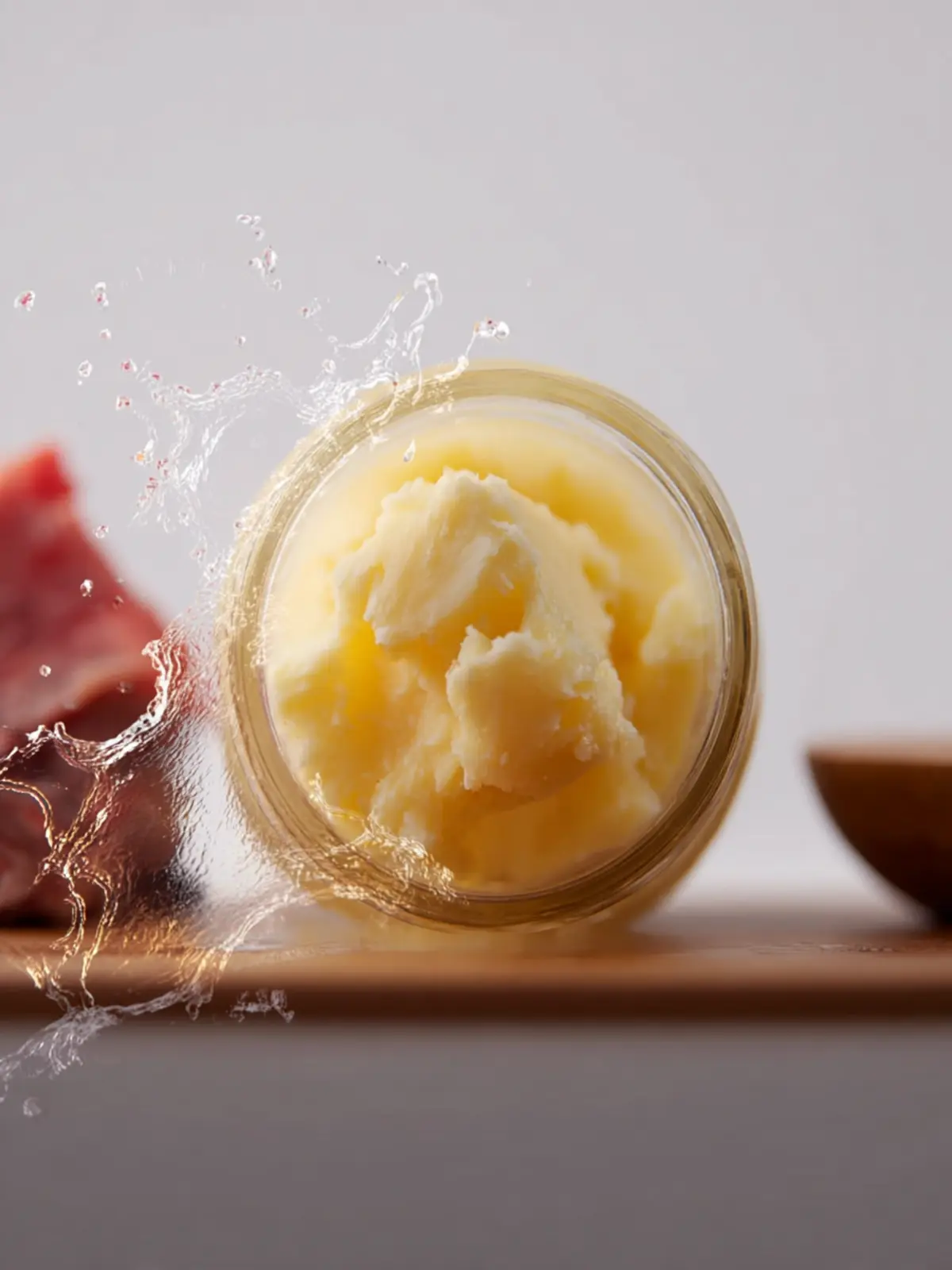
Key Ingredients for Making Beef Tallow
Beef tallow is a wonderful kitchen staple that brings a rich flavor and high smoke point to your cooking. To start your journey in how to make beef tallow, gather some quality ingredients that will set the foundation for this versatile fat.
-
Beef Fat (Suet): The star of the show is undoubtedly the beef fat. You can often find this at your local butcher shop. Look for clean, white suet, as it yields the best results. Fat trimmings from cuts like brisket or chuck roast can also work in a pinch.
-
Water: Depending on your method, a little water can help prevent the fat from scorching as it renders. Remember, slow and low is the key to successful tallow-making.
-
Optional Seasoning: While not essential, some people like to add herbs or spices like rosemary or garlic for an aromatic twist. This can infuse your tallow with added flavors, making it even more delightful in your cooking.
Each of these ingredients plays a crucial role in helping you master the technique of making your own beef tallow, which can be a game-changer in your culinary endeavors.
Why You’ll Love This Recipe
Learning how to make beef tallow may just change the way you think about cooking fats. This versatile ingredient not only enhances the flavor of your dishes, but it also offers a rich history and culinary tradition that connects you with generations of home cooks. Imagine the satisfying feeling of rendering down high-quality beef fat to create a stable, delicious fat that can elevate your frying, roasting, and even baking.
Elevated Culinary Experience
There’s something uniquely rewarding about knowing exactly what goes into your food. By making your own beef tallow, you can ensure you’re using only premium cuts of fat, which is crucial for achieving the best flavor. This homemade version provides a deeper taste than store-bought options, often filled with additives.
Versatile Ingredient
Beef tallow is a chameleon in the kitchen. You can sauté vegetables, deep fry, or even use it as a base for an amazing pie crust. Its high smoke point makes it perfect for frying, while its rich flavor can take roasted meats to a whole new level.
Healthier Choice
Many young professionals are moving away from processed oils. Beef tallow is rich in vitamins and beneficial fats, allowing you to make healthier cooking decisions without sacrificing flavor. It’s not just about cooking—it’s about cooking well, and beef tallow can be a fantastic part of that experience.
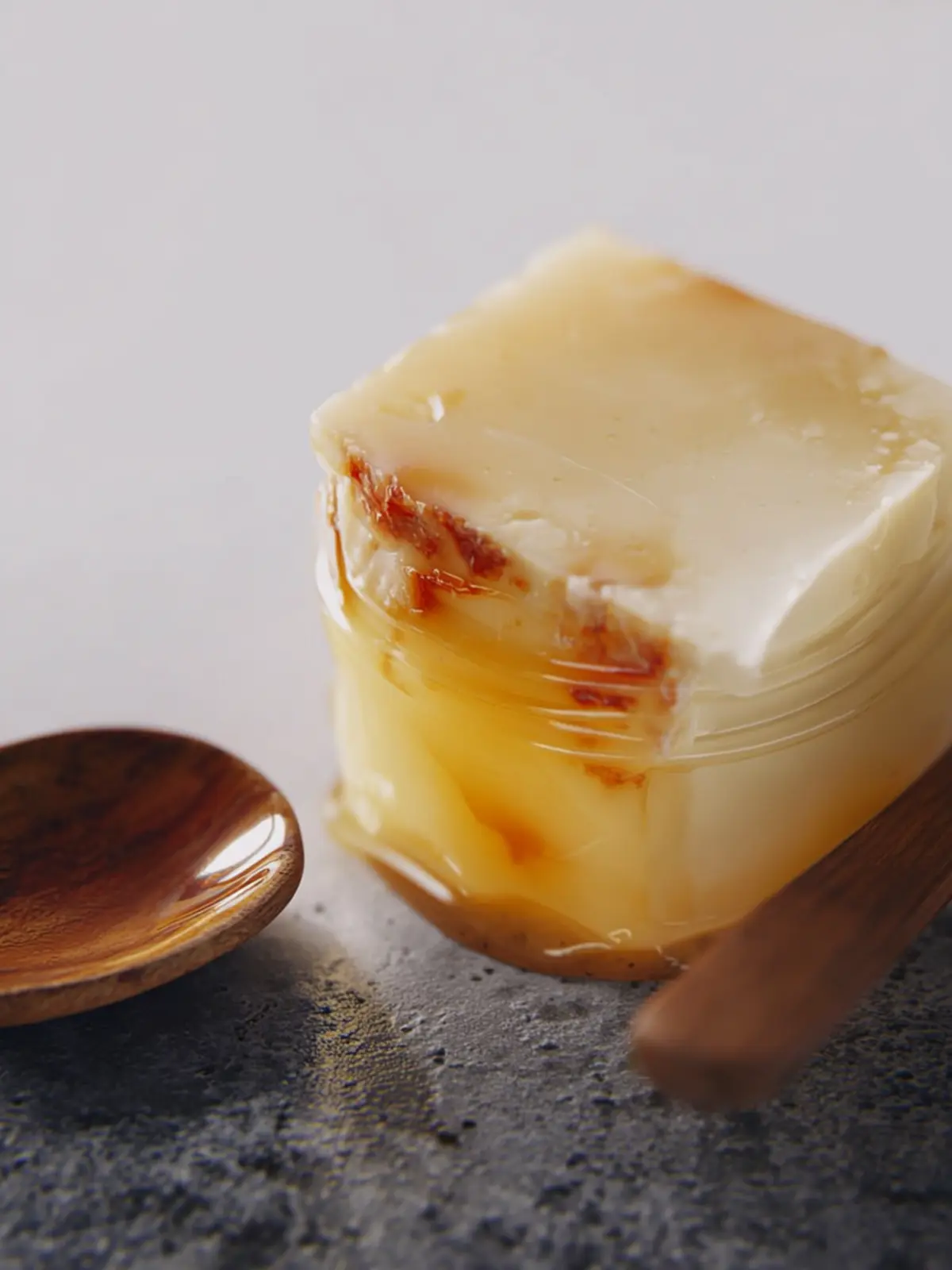
Variations for Flavoring Your Beef Tallow
Creating beef tallow at home opens the door to countless flavor possibilities, adding that extra oomph to your dishes. Imagine drizzling rich, savory tallow over freshly popped popcorn or using it to sauté vegetables. Here are some delightful variations to consider when you learn how to make beef tallow:
-
Garlic and Herbs: Toss a few cloves of crushed garlic and a handful of your favorite herbs, such as rosemary or thyme, into the pot while the fat is rendering. This infusion gives the tallow a delightful aroma and savory taste.
-
Smoked Paprika or Chipotle: Looking for a smoky kick? Stir in some smoked paprika or chipotle powder for a bold flavor that pairs beautifully with roasted meats.
-
Citrus Zest: A touch of lemon or orange zest can brighten the tallow, making it perfect for lighter dishes like vegetables or chicken.
-
Spices: Experiment with spices like cumin, coriander, or even a hint of cinnamon for unique flavor profiles that can elevate whole meals.
These variations not only enhance flavor but also showcase your culinary creativity while you explore how to make beef tallow at home!
Cooking Tips and Notes for Perfect Tallow
Crafting beef tallow at home can be a rewarding experience, especially if you’ve craved that rich flavor and versatility in your cooking. However, achieving the perfect consistency and flavor requires a few thoughtful touches.
Choosing the Right Fat
- Quality Matters: Always opt for high-quality fat from grass-fed beef. This not only enhances the taste but also ensures you’re getting the best nutrients.
- Trim it Down: Before you start, make sure to cut the fat into small, uniform pieces. This allows for an even rendering process and ensures that no chunks are left behind.
Mastering the Rendering Process
- Low and Slow: The secret to a smooth tallow lies in the low heat. A slow cooker or a heavy-bottom pot will do wonders. This approach helps avoid burning and keeps it from developing a bitter flavor.
- Avoid Water: Adding water can alter the final texture. Tallow should render cleanly, so keep it dry throughout the process.
Storing for Success
- Proper Containers: Once you have your beef tallow, store it in glass jars to maintain freshness. Using a dark glass jar can also protect it from light, prolonging its shelf life.
- Regular Checks: If you notice any off-smells, it’s best to discard it. Properly rendered tallow has a pleasant, meaty aroma.
With these tips, you’re well on your way to mastering the art of how to make beef tallow at home, allowing you to elevate your culinary game in no time.
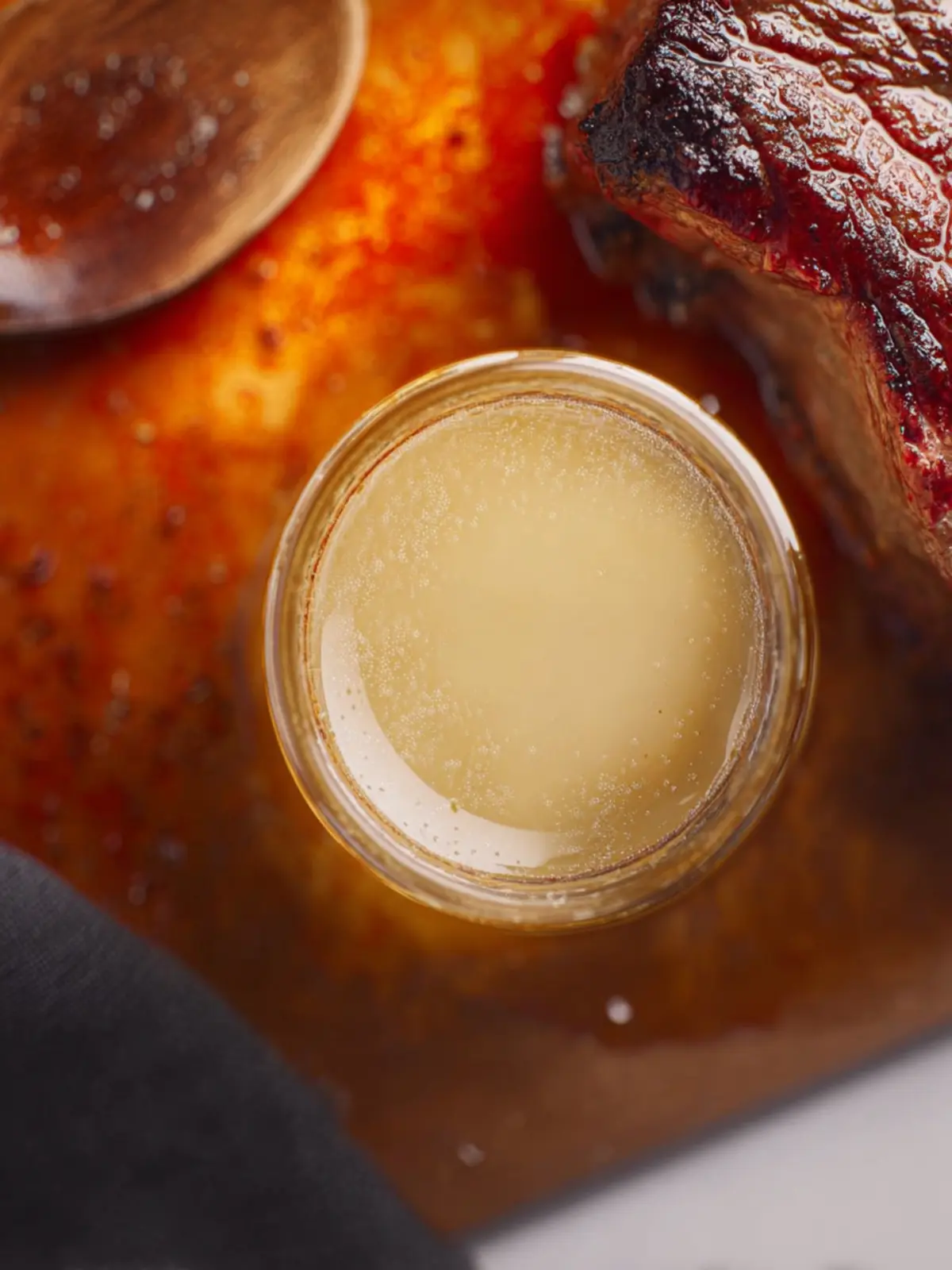
Serving Suggestions for Your Beef Tallow
Once you’ve mastered how to make beef tallow, you’ll discover its versatility in the kitchen! This rendered fat is not just a cooking medium; it’s a flavor enhancer and a culinary secret weapon that can elevate your dishes in so many ways.
Cook with Confidence
-
Frying: Use beef tallow for frying vegetables, potatoes, or any protein. Its high smoke point means it can handle the heat without breaking down, resulting in a crispy, golden finish.
-
Roasting: Toss your root vegetables in beef tallow before roasting. The richness it brings will elevate even the simplest dishes, creating an irresistible crust while keeping the insides tender.
-
Baking: Incorporate beef tallow into your baked goods for a rich flavor. It’s particularly great in savory pastries or biscuits, providing a flaky texture without a hint of greasiness.
-
Sautéing: Use it to sauté aromatics like onions and garlic, infusing your meals with a deep, savory flavor that will make your family or guests come back for seconds.
By utilizing your homemade beef tallow in these ways, you’ll not only enhance your meals but also embrace a more sustainable cooking philosophy. Don’t be afraid to experiment—the potential is limitless!
Time Breakdown for Making Beef Tallow
When diving into the craft of how to make beef tallow, understanding the time commitment is essential for a smooth cooking journey. Making beef tallow is a culinary practice rich with tradition and flavor, and knowing how long it takes can set the tone for your meal prep.
Preparation Time
Getting everything ready is a breeze! You’ll spend around 15-20 minutes preparing the beef fat, trimming away any connective tissue, and cutting it into smaller chunks for quicker rendering. Taking these extra steps ensures you end up with a clean and pure tallow.
Cooking Time
The magic happens during the cooking phase, which typically takes about 3-4 hours. Low and slow is the name of the game here; you’ll want to keep an eye on the heat to render the fat evenly without burning it. This step is what concentrates the rich flavors most people crave in homemade tallow.
Total Time
In total, you’re looking at approximately 3 hours and 35 minutes to 4 hours and 20 minutes. This includes both prep and cooking time. While it may take some hours, the delightful aroma wafting through your kitchen and the final product is well worth it.
Nutritional Facts about Beef Tallow
When delving into how to make beef tallow, understanding its nutritional profile can enhance your cooking experience. This rich fat, derived from animal sources, plays an integral role in many traditional cuisines.
Calories
Beef tallow offers about 115 calories per tablespoon, providing a concentrated source of energy for various dishes.
Fat Content
It’s primarily composed of fat, boasting around 13 grams per tablespoon. Most of this fat is saturated, making it a robust choice for high-temperature cooking, like frying.
Nutritional Benefits
Beef tallow contains essential fatty acids and vitamins A, D, E, and K, which support overall health. Additionally, it’s free from trans fats, making it a better alternative to many processed fats. Its high smoke point also means it retains its stability, adding flavor and richness to your meals without the risk of burning.
FAQs about Making Beef Tallow
Making beef tallow is a rewarding process that brings the essence of traditional cooking back to your kitchen. As more people embrace home cooking, understanding this versatile fat is crucial. Let’s dive into some common questions you might have.
What is beef tallow, and how is it used?
Beef tallow is rendered fat from cattle, offering a rich flavor and high smoke point that makes it perfect for cooking. Used historically in baking and frying, tallow can also enhance the flavor of roasted vegetables or be used as a base for homemade soap or candles. Its rich, savory profile adds depth to dishes, making it a sought-after ingredient in various cuisines across the globe. I’ve found that cooking with beef tallow elevates everything from roast potatoes to homemade pie crusts.
Can I store beef tallow, and if so, how?
Yes, you can definitely store beef tallow! Once you’ve learned how to make beef tallow, you’ll want to make it last. After cooling, pour it into clean, airtight containers. Tallow can be stored in the refrigerator for several months or frozen for longer shelf life. When you’re ready to use it, simply scoop out what you need—no need to thaw the entire batch.
Is beef tallow healthy?
The health benefits of beef tallow are often debated. It contains essential fats and vitamins, and because it’s versatile and stable at high temperatures, it can be a better option than many vegetable oils. However, moderation is key. If you’re transitioning to a diet featuring more animal fats, it’s worth consulting a nutritionist to tailor your intake according to your health goals.
Exploring how to make beef tallow is not only a skill but also a journey back to wholesome cooking practices that can enrich both your meals and your health.
Conclusion on Making Tallow at Home
Creating your own beef tallow can be a rewarding experience, connecting you to traditional cooking methods while infusing your dishes with rich, natural flavors. Once you’ve mastered how to make beef tallow, you’ll find it perfect for frying, roasting, or even as an ingredient in pastries. This versatile fat not only enhances the flavor of your meals but also offers a nutritious alternative to processed oils. If you’re still skeptical about the process, remember: practice makes perfect. So grab some high-quality beef fat, and embark on this culinary adventure—you might find it becomes a staple in your kitchen!
Print
Beef Tallow
- Total Time: 3 hours 10 minutes
- Yield: Approximately 1.5 quarts 1x
- Diet: Carnivore
Description
A simple and traditional method to render beef tallow from fresh beef fat.
Ingredients
Scale
- 2 pounds fresh beef fat
Instructions
- Preheat the oven to 250 degrees Fahrenheit.
- Be sure to cut your fat into large chunks. There’s no magic size, just as long as it’s not in one big piece.
- Place the fat chunks into an 8×8 baking dish.
- Cook for 3 hours.
- Remove from the oven. Be careful to not burn yourself.
- Pour the liquid from the pan, through a fine strainer, into a pourable measuring cup or bowl.
- Immediately pour the liquid from the bowl/measuring cup into jars and secure the lids.
- Let the fat come to room temperature. Tighten the lids one more time and then place the fat in the refrigerator for 48 hours or until set.
Notes
- Rendering tallow at a low temperature helps preserve the flavor.
- Prep Time: 10 minutes
- Cook Time: 3 hours
- Category: Condiments
- Method: Baking
- Cuisine: American
Nutrition
- Serving Size: 1 tablespoon
- Calories: 115
- Sugar: 0g
- Sodium: 0mg
- Fat: 13g
- Saturated Fat: 6g
- Unsaturated Fat: 0g
- Trans Fat: 0g
- Carbohydrates: 0g
- Fiber: 0g
- Protein: 0g
- Cholesterol: 0mg