Follow Me On Social Media!

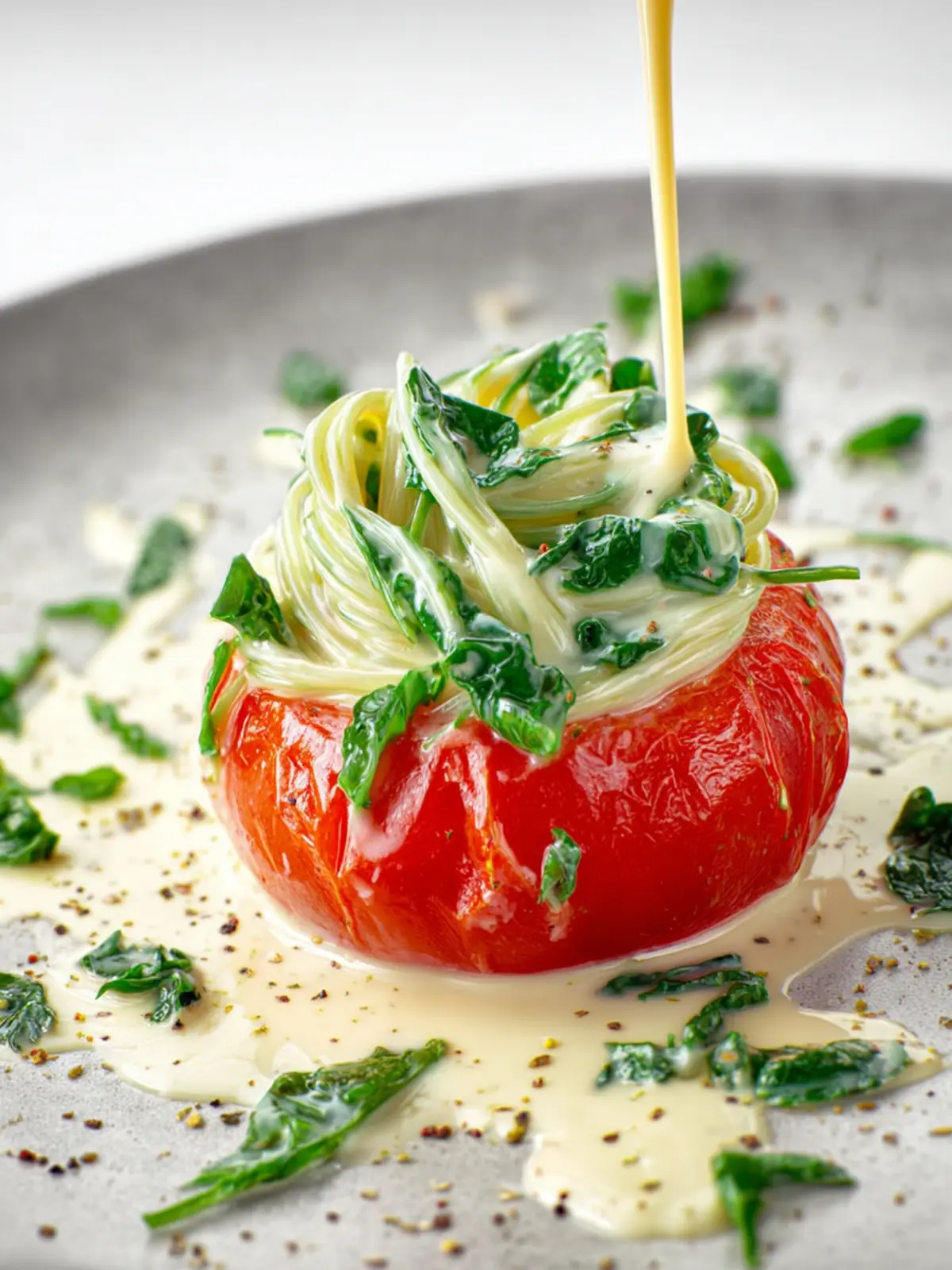
Florentine Sauce: Easy, Creamy Delight That Elevates Meals

Introduction to Florentine Sauce
Florentine sauce is not just a culinary delight; it’s a taste of history that transports you straight to the heart of Tuscany. Originating from the vibrant city of Florence, Florentine sauce captures the spirit of Italian cooking with its harmonious blend of flavors that celebrate fresh ingredients. This sauce, typically made with a base of cream and enriched with spinach, embodies the Italian commitment to simplicity and freshness.
The rich history of Florentine cooking
Florentine cuisine dates back centuries and reflects the influences of trade, culture, and local ingredients. In medieval times, Florence was a bustling hub for merchants and artists, bringing diverse flavors together to create what we now consider classic Italian dishes. The word “Florentine” itself signifies a preparation style that incorporates vegetables, particularly spinach, and pays homage to the richness of the surrounding Tuscan landscape.
Traditional Florentine sauce likely evolved from the necessity of using fresh, local produce and dairy products available in the region. Spinach played a prominent role due to its easy cultivation and nutritional benefits, while cream brought about a luxurious texture that turned simple meals into gourmet experiences. As time passed, cooks began to experiment with what we now recognize as Florentine sauce, pairing it with everything from pasta to fish, perfectly complementing each dish with its creamy, verdant goodness.
Florentine cooking, at its core, emphasizes fresh ingredients and a deep appreciation for local produce. The use of herbs, garlic, and cheese in tandem with the richness of Florentine sauce showcases Italy’s gastronomic philosophy: the best meals are those that are simple and use only what is available. Nowadays, making Florentine sauce in your kitchen means not just preparing a flavorful dish, but also embracing a culinary tradition that resonates with generations of Italian families.
As you dive into your Florentine sauce recipe, take a moment to appreciate the rich heritage and flavors woven into each serving. Whether serving it atop pasta or alongside proteins, this sauce invites everyone to savor the essence of Tuscany at the dinner table.
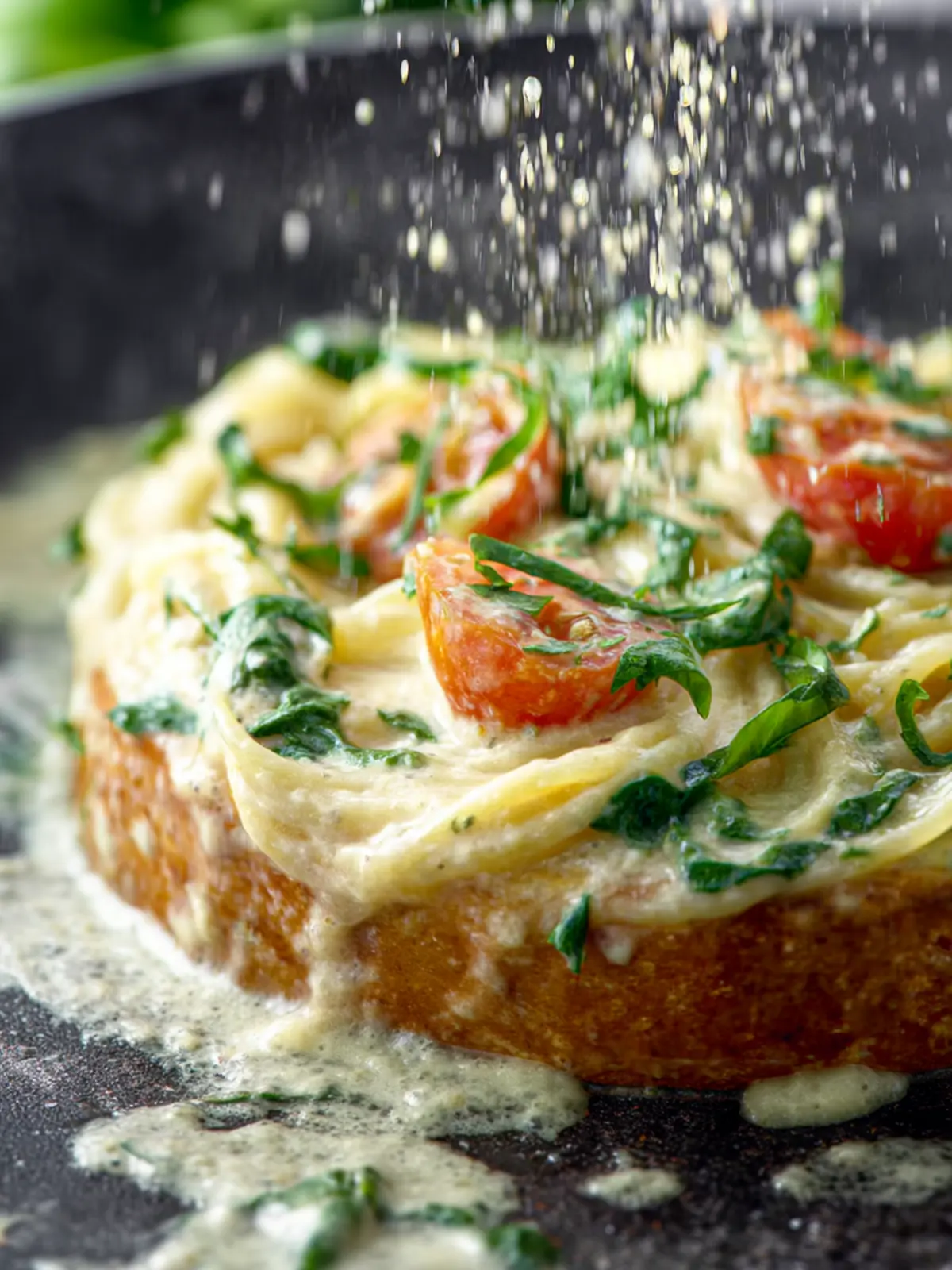
Key Ingredients for Florentine Sauce
Creating a rich and delicious Florentine sauce brings the essence of classic Italian cooking right into your home kitchen. With a handful of key ingredients, you’ll be able to craft this exquisite sauce that pairs beautifully with pastas, vegetables, and proteins.
-
Spinach: The star of Florentine sauce, fresh spinach is essential for that vibrant green color and earthy flavor. It’s best to use baby spinach since it’s more tender, but you can also use regular spinach—just chop it finely!
-
Butter: I use unsalted butter to sauté the spinach and add a creamy richness to the sauce without overwhelming the other flavors. It’s important to melt it gently to avoid browning.
-
Heavy Cream: This ingredient gives the sauce its luxurious texture. Using heavy cream creates a smooth, velvety sauce that clings perfectly to pasta.
-
Parmesan Cheese: A generous amount of freshly grated Parmesan adds a salty, nutty flavor that elevates the whole dish. Don’t skimp on quality here; it makes a difference!
-
Nutmeg: Just a pinch of freshly grated nutmeg brings warmth and depth to the sauce. It’s a subtle yet delightful flavor that complements the cream and spinach beautifully.
These ingredients come together effortlessly, transforming simple dishes into a gourmet experience that’s sure to impress at your next dinner party.
Why You’ll Love This Florentine Sauce
When you first taste this Florentine sauce, you might think, “How can something so simple be this delicious?” This creamy, rich sauce balances the earthiness of cooked spinach with a delicate touch of cream and Parmesan. It’s the kind of dish that can elevate even the most mundane pasta dish into an unforgettable meal.
Versatile and Easy to Make
One of the best things about Florentine sauce is its versatility. Whether you’re pouring it over pasta, drizzling it on grilled chicken, or even using it to dress a pile of fresh vegetables, this sauce adapts to your cravings seamlessly. With only a handful of ingredients, it’s a great go-to recipe for a weeknight dinner or an impromptu gathering with friends.
A Flavorful, Homemade Experience
You’ll appreciate how quick and easy it is to whip up this sauce. The creamy texture combined with the vibrant flavors of garlic and spinach create a satisfying experience that store-bought sauces just can’t replicate. Plus, making your own sauce at home allows you to control what goes in, ensuring a fresh and wholesome meal.
Comfort Food at Its Best
This Florentine sauce brings a cozy, heart-warming feeling to your table. It wraps your dishes in a blanket of flavor that satisfies your cravings without being overly heavy. As you sit down to enjoy your creation, you’ll understand why it has a cherished place in Italian cuisine.
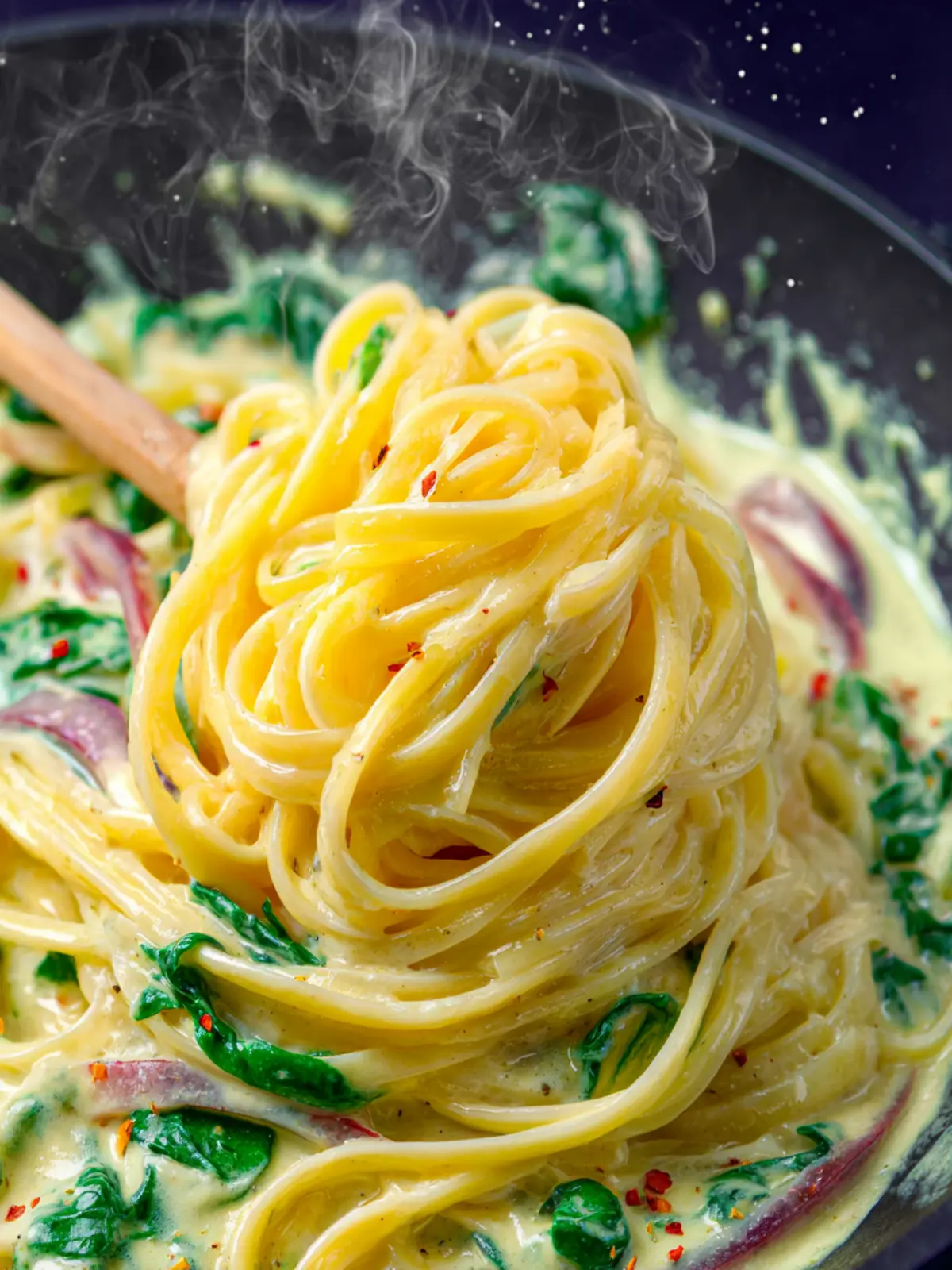
Variations of Florentine Sauce
When it comes to exploring the depths of Florentine sauce, the possibilities are as rich as the sauce itself. Traditionally, this creamy delight features a robust base of butter and cream, but there are numerous variations that can elevate your dish to new heights.
Tomato and Spinach Florentine Sauce
For a more wholesome twist, try incorporating tomatoes and spinach. The acidity of fresh tomatoes balances the richness of the cream, while adding a splash of color and nutrition. Simply sauté chopped tomatoes and spinach in butter before mixing in your cream, allowing the flavors to meld beautifully.
Mushroom Florentine Sauce
If you’re a mushroom lover, consider creating a Florentine sauce with sautéed mushrooms. Use a mix of button, cremini, and shiitake mushrooms for a delightful umami kick. Pair the mushrooms with shallots in butter, add your cream, and don’t forget a pinch of nutmeg for warmth.
Herb-Infused Florentine Sauce
Feeling adventurous? Infuse your sauce with fresh herbs like basil, thyme, or dill. Adding finely chopped herbs towards the end of cooking brightens the sauce and gives it a fresh, garden-inspired flavor that can easily elevate any pasta dish.
Cheese-Loaded Florentine Sauce
For those who can’t resist cheese, try a version packed with different cheeses like Parmesan, mozzarella, or even goat cheese. This variation results in a thicker, richer sauce that clings wonderfully to pasta.
Each of these variations will bring a unique flavor profile to your Florentine sauce, making it versatile for various dishes. Whether you prefer the classic or want to experiment, this sauce can adapt beautifully to your culinary desires.
Cooking Tips and Notes for Florentine Sauce
Creating a perfect Florentine sauce is all about balance and attention to detail. This classic Italian sauce can elevate your pasta, seafood, or vegetable dishes, transforming them into a culinary masterpiece. Here are some helpful tips to guide you through your cooking journey.
Fresh Ingredients Matter
Using fresh spinach is essential for a vibrant Florentine sauce. Opt for organic or locally-sourced spinach to enhance flavor. Frozen spinach can work in a pinch, but it often has a higher water content that may alter your sauce’s consistency.
The Right Cream
When it comes to cream, using heavy cream will yield the richest texture. If you prefer a lighter option, half-and-half can be substituted; just be mindful of the reduced creaminess. The cream should be added gradually, allowing you to control the sauce’s thickness.
Seasoning Wisely
A pinch of nutmeg adds warmth and depth to your Florentine sauce, while salt and pepper enhance the overall flavor. Remember that cheese—whether Parmesan or Gruyère—can be salty, so taste as you go to avoid over-seasoning.
Cooking Technique
Sauté your garlic until it’s fragrant but not browned. Overcooked garlic can introduce bitterness, ruining the delicate flavor of your sauce.
By keeping these tips in mind, you’ll create a delicious Florentine sauce that impresses at any dinner table. Enjoy the experience and don’t hesitate to put your own spin on this classic recipe!
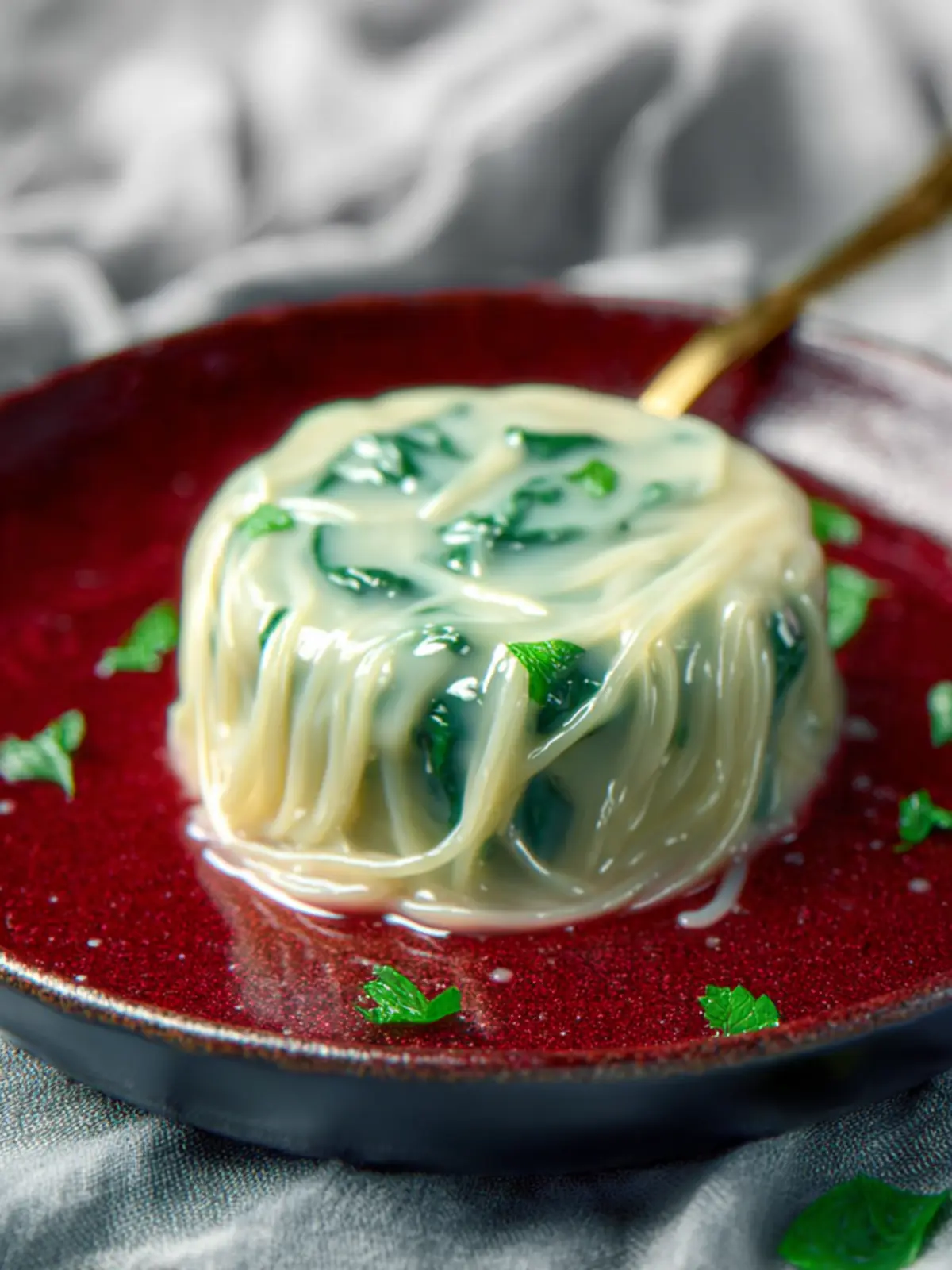
Serving Suggestions for Florentine Sauce
Delighting in Florentine sauce is a culinary experience that brings together a medley of flavors, making it a versatile addition to many meals. As you indulge in the creamy richness of this sauce, consider sprucing up your next dinner with these charming serving ideas!
Pairing with Pasta
One of the best canvases for Florentine sauce is pasta. Creamy and vibrant, it clings beautifully to fettuccine or tortellini. For a fresh twist, sprinkle some sautéed spinach or cherry tomatoes on top. The colors not only enhance the aesthetic appeal but also provide a burst of flavor.
Accompaniment for Proteins
Grilled or baked chicken can become a star in your kitchen when served with Florentine sauce. The sauce’s creamy texture complements the savory notes of the chicken beautifully. Consider pairing it with a side of roasted vegetables or a simple salad for a balanced meal.
Savory Crêpes
For an elegant brunch or lunch option, try using Florentine sauce in savory crêpes. Fill crêpes with sautéed mushrooms and spinach, and top them with the sauce for a delectable dish that guests will love.
Topping for Grains
Whether it’s quinoa or rice, a drizzle of Florentine sauce elevates plain grains into a sumptuous side dish. Add some herbs or grated Parmesan cheese for an extra flavor layer that will keep everyone coming back for seconds.
With these serving suggestions, Florentine sauce will not only enhance your meals but also impress your dining companions with its versatility and taste!
Time Breakdown for Making Florentine Sauce
Creating a delicious Florentine sauce is not just about the flavors; it’s also about the time invested in bringing those flavors together. You’ll find that the process is easy and rewarding, allowing you to elevate your pasta or meat dishes effortlessly.
Preparation Time
The preparation for Florentine sauce takes about 10 minutes. This time is perfect for chopping your veggies and gathering all your ingredients, setting you up for a smooth cooking experience.
Cooking Time
Once you’re ready, the actual cooking takes around 20 minutes. This is where the magic happens as the ingredients meld together to create the rich and creamy sauce we all love.
Total Time
In total, you’ll spend approximately 30 minutes bringing your Florentine sauce to life. It’s a fantastic way to impress yourself and anyone else at the dinner table!
Nutritional Facts for Florentine Sauce
When you dive into the world of Florentine sauce, it’s not just about the delightful flavors; it’s also about nutrition. This creamy sauce, often paired with vegetables or pasta, offers a delightful balance of nutrients that can perfectly complement your meal.
Calories
A typical serving of Florentine sauce contains approximately 150 calories. This rich flavor-packed addition allows you to enjoy your meals without breaking your calorie bank.
Fat
The fat content is around 12 grams per serving, primarily from the cream and butter used in the recipe. While it’s essential to be mindful of saturated fats, these can contribute to a satisfying texture and richness that elevates your dishes.
Carbohydrates
In terms of carbohydrates, Florentine sauce contains about 4 grams per serving. This low-carb count makes it an excellent choice for those watching their carbohydrate intake while still wanting to indulge in creamy goodness.
Protein
Lastly, you’ll find about 3 grams of protein per serving. Though not a major protein source, it can still provide a little boost when paired with complementary ingredients like chicken, fish, or whole grains.
This combination of nutrients makes Florentine sauce a flavorful, enjoyable addition to your meals without the guilt!
FAQs about Florentine Sauce
When whipping up a batch of Florentine sauce, many home cooks find a few questions bubbling up alongside their simmering sauces. Let’s explore some frequently asked questions to enhance your culinary adventure!
Can I make this sauce gluten-free?
Absolutely! To create a delicious gluten-free version of Florentine sauce, simply substitute the all-purpose flour in the recipe with a gluten-free flour blend or cornstarch. These alternatives will help thicken your sauce while keeping the texture intact. It’s an easy adjustment that ensures everyone at the table can enjoy this creamy delight.
How can I store leftover Florentine Sauce?
Storing leftover Florentine sauce is a breeze! Allow the sauce to cool completely, then transfer it to an airtight container. It can be stored in the refrigerator for up to three days. To reheat, gently warm it on the stovetop over low heat, stirring frequently to maintain its creamy consistency. If the sauce thickens too much, simply add a splash of cream or stock to loosen it up before serving.
What are the best dishes to pair with Florentine Sauce?
The versatility of Florentine sauce opens the door to a multitude of delectable pairings! Here are some popular choices:
- Pasta: Toss it with your favorite pasta for a rich and satisfying meal.
- Fish: The creamy sauce enhances the flavors of grilled or baked fish remarkably well.
- Vegetables: Drizzle it over steamed or roasted vegetables, such as asparagus or broccoli, for a delightful twist.
- Chicken: Pour it over grilled or baked chicken for an elegant dish that’s easy to prepare.
Using these tips and tricks, you can make the most of your Florentine sauce, bringing delicious flavor to any dish!
Conclusion on Florentine Sauce
In a world of culinary delights, Florentine sauce stands out as a versatile, creamy companion for various dishes. It’s a harmony of rich flavors that transforms everything from pasta to chicken into gourmet creations. Remember, the key to mastering Florentine sauce lies in using fresh ingredients, ensuring the perfect balance of creaminess and taste. As you’ve journeyed through this recipe, I hope you feel inspired to experiment and make it your own. Share your culinary adventures and savor the flavors of Italy right in your own kitchen! Enjoy your cooking, and don’t hesitate to revisit this delightful sauce whenever you crave a taste of elegance.
Print
Creamy Vegan Spinach Sauce
- Total Time: 15 minutes
- Yield: 4 servings 1x
- Diet: Plant-Based
Description
This creamy vegan spinach sauce is perfect for pasta or as a delicious dip with bread.
Ingredients
Scale
- 1 cup oat or soy cuisine cream
- 3 Tbs vegan butter
- 3 cloves garlic, minced
- 1 teaspoon poultry seasoning
- 1 big generous handful spinach
- Salt to taste
- Pepper to taste
Instructions
- First melt vegan butter in a small sauce pan.
- Add minced garlic and fry on medium heat for around 2 minutes.
- Mix in the cuisine cream, poultry seasoning, spinach and finally season with salt and pepper.
- Cook for 4 minutes more.
- Serve over your favorite pasta for an easy 15 minute meal or enjoy plain with some french bread.
Notes
- This sauce can be made in just 15 minutes.
- Great for pasta dishes, bread dips, or as a base for other recipes.
- Prep Time: 5 minutes
- Cook Time: 10 minutes
- Category: Sauce
- Method: Stovetop
- Cuisine: Vegan
Nutrition
- Serving Size: 1/4 cup
- Calories: 120
- Sugar: 1g
- Sodium: 350mg
- Fat: 10g
- Saturated Fat: 3g
- Unsaturated Fat: 6g
- Trans Fat: 0g
- Carbohydrates: 8g
- Fiber: 1g
- Protein: 2g
- Cholesterol: 0mg