Follow Me On Social Media!

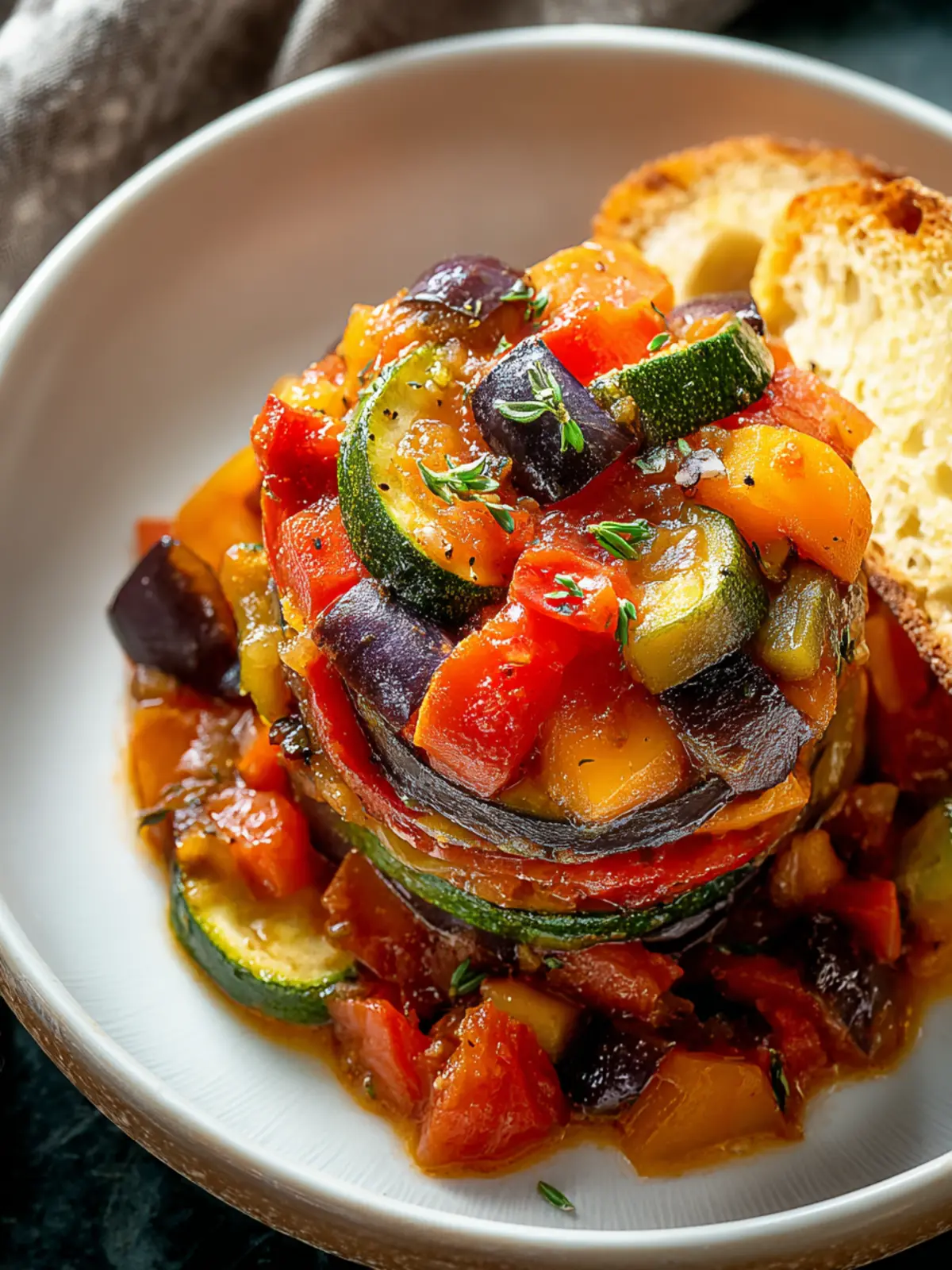
Delicious Ratatouille: Easy Steps to a Colorful French Delight

Introduction to Discover Delicious Ratatouille: A Colorful French Classic
Imagine stepping into a quaint French kitchen, the aroma of fresh herbs and roasted vegetables dancing in the air, inspiring your appetite and igniting your creativity—this is where delicious ratatouille finds its roots. With its vibrant medley of vegetables, this quintessential dish is not just a meal; it’s a celebration of seasonal produce and a testament to the art of cooking. Originating from Provence, ratatouille is a classic French stew that brings together a variety of vegetables like zucchini, eggplant, and bell peppers simmered in olive oil, garlic, and herbs. It embodies the heart of rustic French cooking: simple, wholesome ingredients crafted into something extraordinary.
What Makes Ratatouille So Special?
When you think of delicious ratatouille, what makes it truly special? Here are a few unique aspects that set this dish apart:
-
Seasonal Ingredients: The beauty of ratatouille lies in its flexibility with vegetables. The classic recipe uses eggplant, zucchini, bell peppers, and tomatoes, but you can always adapt it to utilize whatever seasonal produce you have. This not only reduces waste but also introduces delightful variations each time you make it.
-
Flavor Layers: Combining ingredients through gradual cooking allows the flavors to meld beautifully. Each vegetable contributes its unique profile, creating a dish that’s rich in taste yet simple in execution.
-
Culinary Versatility: Ratatouille isn’t just a side dish; it can stand alone or be served with crusty bread, atop pasta, or even as a filling in savory pastries. This versatility means it fits seamlessly into any meal—making it an excellent option for both casual dinners and festive gatherings.
-
Cultural Experience: Cooking ratatouille is like taking a mini-vacation to southern France. As you chop, sauté, and season, you’ll find yourself immersed in a warm Mediterranean vibe that fills your kitchen with joy.
Step into the world of delicious ratatouille and expand your culinary repertoire with this colorful classic, and you might just find a new favorite in your kitchen!
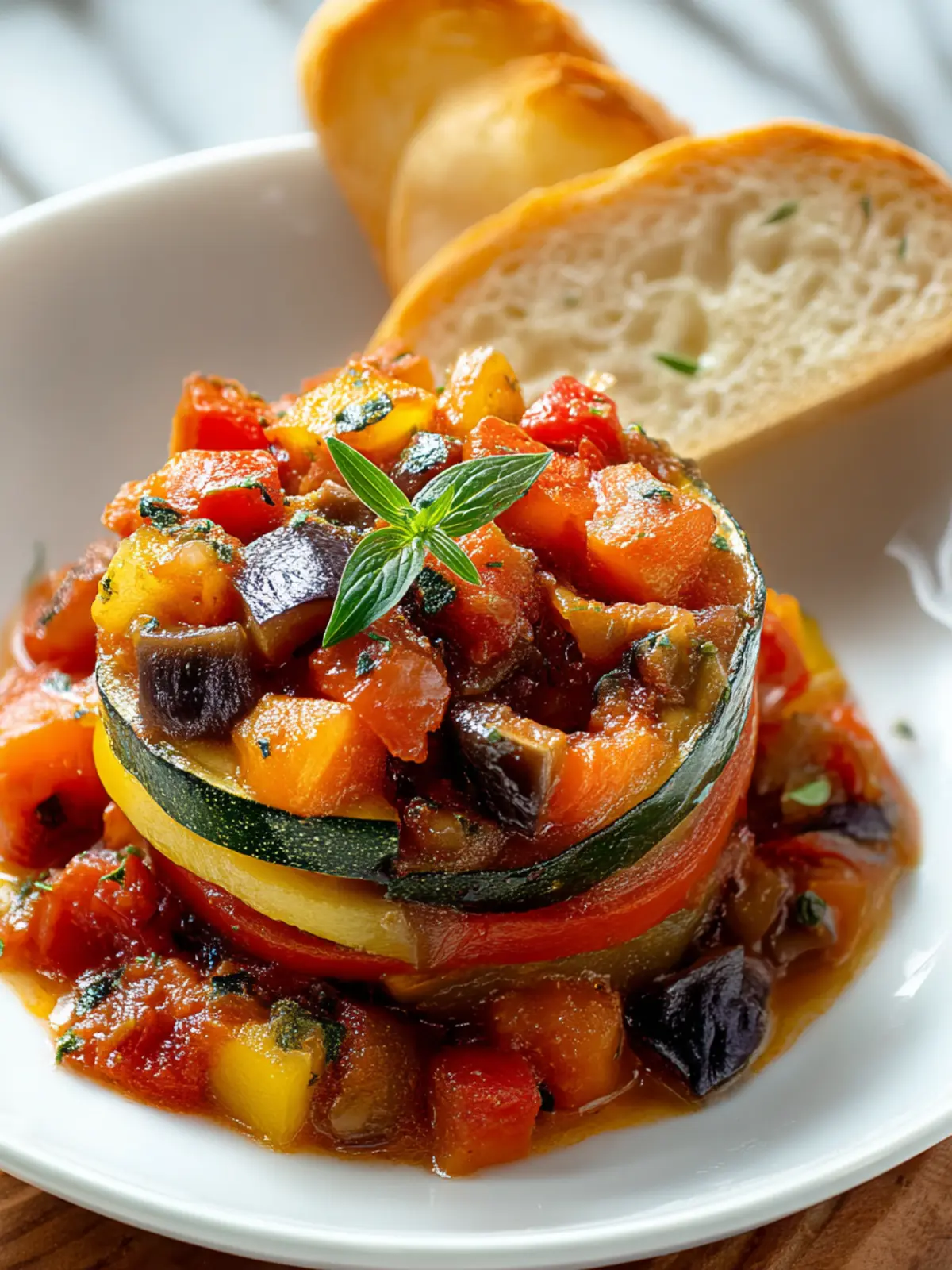
Key Ingredients for Discover Delicious Ratatouille: A Colorful French Classic
Eggplant: This vegetable is the star of your delicious ratatouille. With its rich, meaty texture, it absorbs all the robust flavors of your dish. Opt for medium-sized, glossy eggplants, as they have fewer seeds. If you’re feeling adventurous, try using purple varieties for a delightful twist!
Zucchini: I enjoy using tender zucchini for their mild flavor. They add a lovely crunch without overpowering the dish. Choosing small to medium zucchinis ensures that they remain firm and vibrant after cooking.
Bell Peppers: Colorful bell peppers not only enhance the visual appeal of your ratatouille but also contribute a sweet and smoky taste. A mix of red, yellow, and green varieties creates a delightful spectrum on your plate!
Tomatoes: Use fresh, juicy tomatoes for the base of your sauce; they bring a sunny burst of flavor. If fresh tomatoes aren’t an option, high-quality canned tomatoes work well in a pinch.
Onions and Garlic: Aromatic onions and garlic are essential for perfecting the flavor profile. Sauté them at the beginning to build a robust foundation for your delicious ratatouille.
Herbs: A blend of fresh basil, thyme, and parsley elevates the taste. These herbs offer a fragrant note that complements the earthy vegetables beautifully.
Why You’ll Love This Recipe
Every bite of delicious ratatouille transports you to the sun-drenched streets of Provence, where vibrant colors and rich flavors dance together in a beautiful dish. This recipe isn’t just another vegetable medley; it’s a celebration of fresh ingredients and culinary tradition that makes it approachable yet sophisticated.
A Symphony of Flavors
What sets this delicious ratatouille apart is its fantastic versatility. Whether you enjoy it on its own, served over pasta, or as a savory side, it will complement your meal effortlessly. The dish showcases a splendid array of seasonal vegetables—think eggplant, zucchini, and bell peppers—all layered together to create an eye-catching tableau that’s as nourishing as it is delicious.
Embrace the Simplicity
Let’s not forget how simple it is to make! With just a few easy steps and simple ingredients, you can conjure up a dish that seems to have taken hours of meticulous preparation. What’s more, ratatouille is often better the next day, making it an ideal choice for meal prep. You can whip up a big batch and enjoy the pleasure of flavorful leftovers.
A Kitchen Adventure
Cooking is an adventure, and this delicious ratatouille recipe invites you to experiment and make it your own. Whether it’s adding your favorite herbs or adjusting the spice level, the possibilities are endless. So roll up your sleeves, channel your inner French chef, and relish the delightful experience of creating this classic dish!
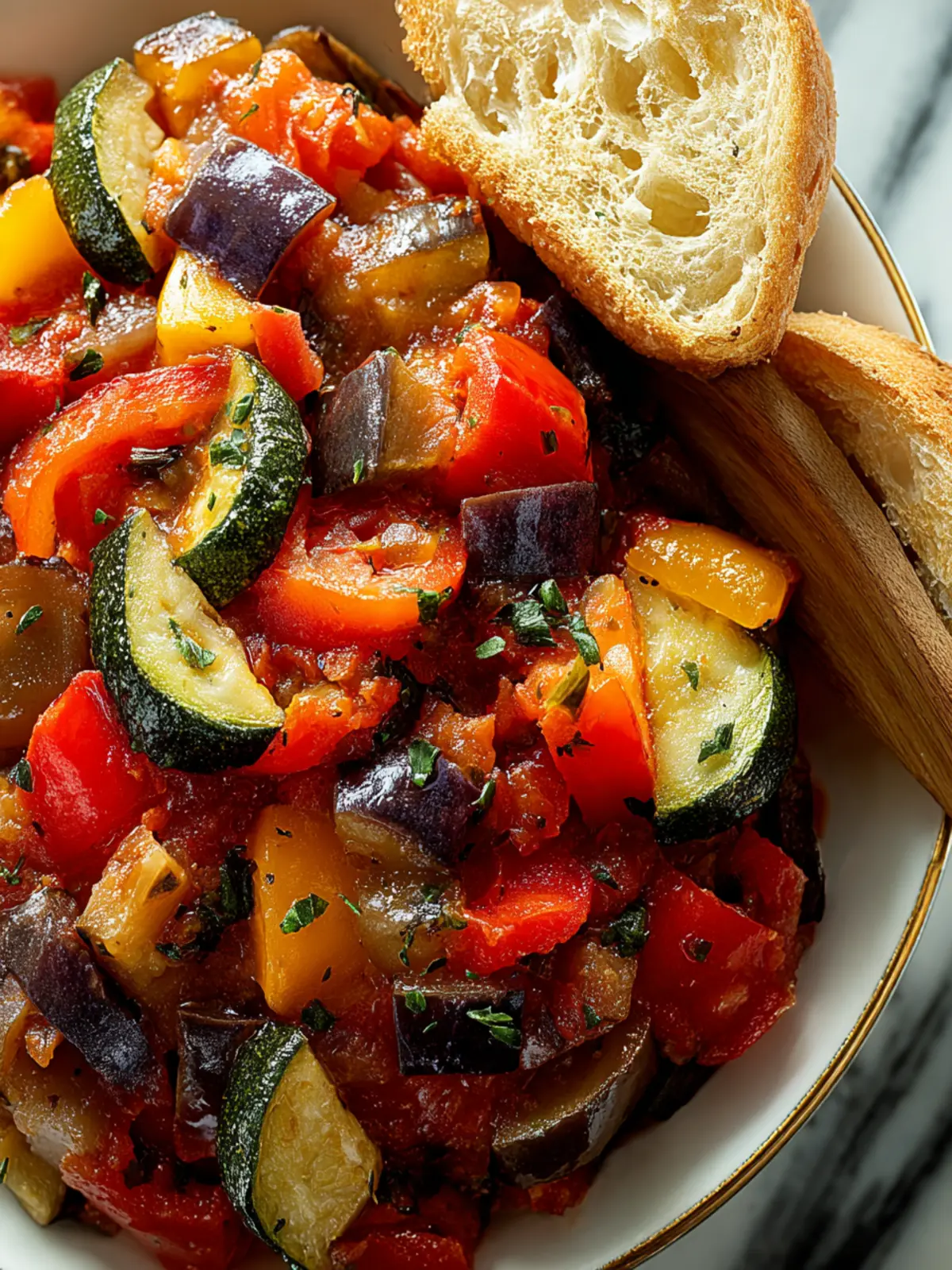
Variations of Ratatouille
Delicious ratatouille isn’t just a classic French dish; it’s a canvas for creativity in the kitchen. While the traditional recipe calls for vibrant vegetables like eggplant, zucchini, and bell peppers, there are many exciting ways to customize this dish to suit your taste buds or dietary needs.
Regional Twists
-
Provençal Ratatouille: Stay true to the classic with a Provençal twist by adding fresh herbs like basil and thyme. This variation shines in the summer when herbs are at their peak.
-
Mediterranean Style: Incorporate olives and capers for a briny flavor that evokes sun-drenched Mediterranean coasts. Pair this with a drizzle of good-quality olive oil for an extra layer of richness.
Seasonal Adjustments
-
Autumn Vegetable Ratatouille: As the leaves change, so can your ratatouille. Swap in root vegetables such as butternut squash and carrots, adding warmth and heartiness to your dish.
-
Winter Comfort Ratatouille: As temperatures drop, consider roasting your vegetables instead of sautéing them. This caramelization adds a deeper flavor, creating a warming, hearty meal.
Adding Protein
-
Chickpea Ratatouille: For a protein boost, stir in canned or cooked chickpeas. They blend seamlessly with the vegetables and make the dish more filling.
-
Meaty Ratatouille: If you’re a meat lover, adding chicken or sausage can turn this dish into a robust main course. Simply cook the meat first, then follow with the veggies.
Experimenting with delicious ratatouille allows you to play with flavors and textures while celebrating seasonal ingredients. Whether you stick to tradition or venture out, this dish can evolve to match your culinary preferences!
Cooking Tips and Notes for Ratatouille
Crafting delicious ratatouille is not just about following a recipe; it’s an opportunity to embrace your creativity in the kitchen. Here are some seasoned tips to elevate your dish!
Choose Quality Ingredients
The fresher your vegetables, the more vibrant your ratatouille will be. Look for organic produce when possible. Seasonal vegetables like bell peppers, zucchini, and eggplant not only taste better but also contribute to a more colorful presentation.
Slice Uniformly
To ensure even cooking, slice your vegetables uniformly. A mix of ¼-inch thick slices allows them to cook at the same rate while still adding visual interest. Plus, this presentation style makes your dish feel restaurant-worthy!
Layering is Key
Instead of just mixing the vegetables, consider layering them in a spiral or pattern in your baking dish. This method not only enhances the aesthetic but allows each veggie to shine in flavor.
Cooking Time Matters
Be patient with your cooking time. Slow-roasting your delicious ratatouille allows the flavors to meld beautifully. Cooking at a lower temperature also helps the vegetables caramelize, enhancing their natural sweetness.
Experiment with Herbs
While traditional recipes often use thyme and basil, don’t be afraid to add your twist! Fresh oregano or even a hint of rosemary can transform your dish into something uniquely yours.
Unlock the full potential of your ratatouille with these simple yet effective tips, and enjoy the delightful process of cooking!
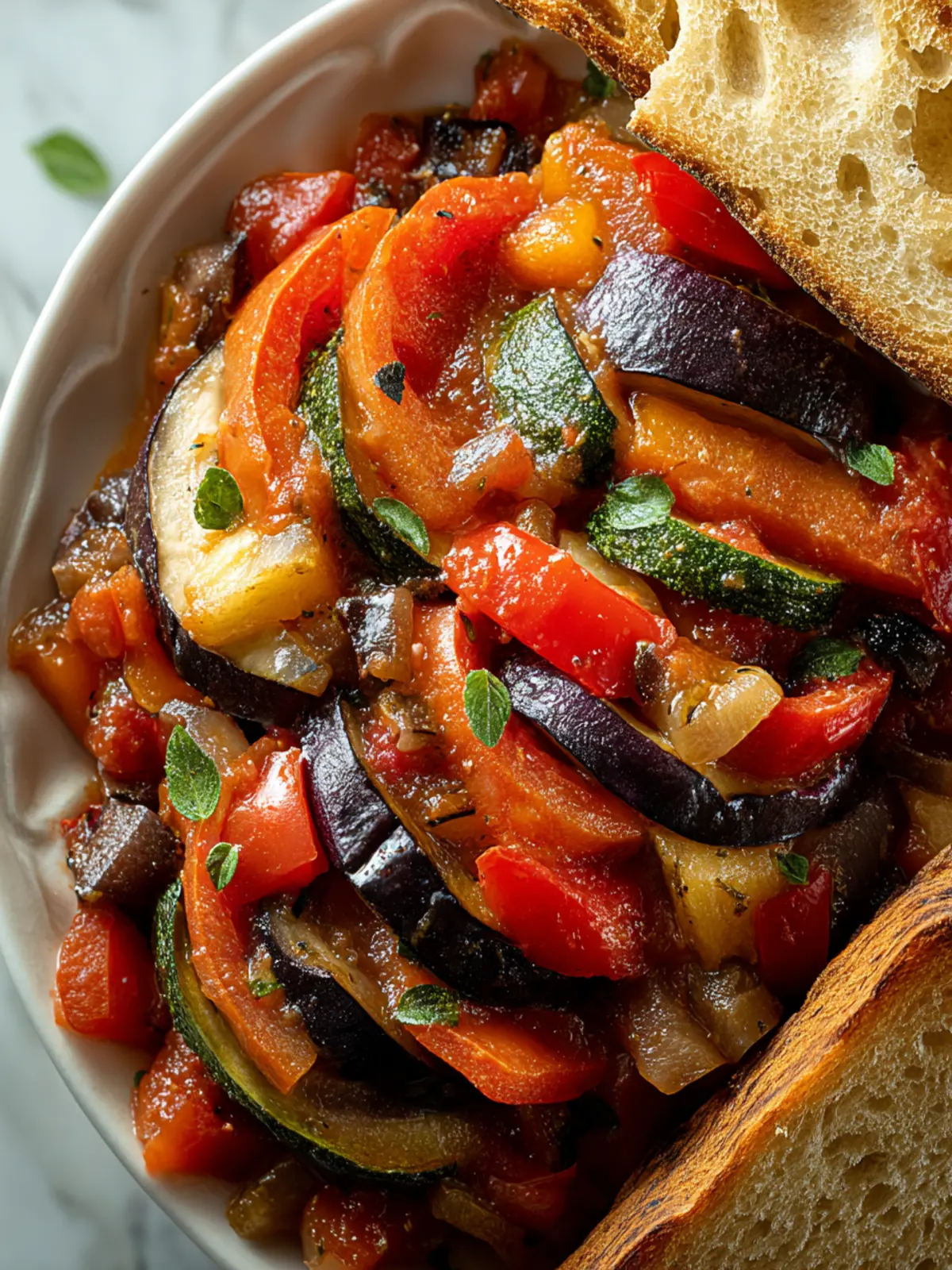
Serving Suggestions for Ratatouille
When it comes to savoring delicious ratatouille, the presentation and pairing can elevate your dining experience. This colorful French classic is not just a feast for the eyes; it deserves to be complemented well.
Pairing with Proteins
- Grilled Chicken or Fish: The vibrant flavors of ratatouille pair beautifully with protein like grilled chicken or flaky white fish. The savory herbs in the ratatouille complement the mildness of the meat, creating a well-rounded plate.
- Feta or Goat Cheese: Sprinkle crumbled feta or goat cheese on top for a creamy, salty contrast. It adds richness that enhances the vegetable medley.
Serving Ideas
- As a Side Dish: Serve ratatouille alongside roasted meats or pasta. Its rich flavor can brighten up a simple meal.
- On Toast: For a light lunch or snack, spoon warm ratatouille onto toasted bread or crostini. Top it off with fresh basil for an aromatic kick.
Enjoy exploring these serving ideas to make your delicious ratatouille stand out and satisfy your palate!
Time Breakdown for Ratatouille
Creating a mouthwatering delicious ratatouille from scratch doesn’t take as long as you might think. With some strategic planning, you can relish this vibrant French dish and make it a staple in your kitchen.
Preparation time
The inception of your flavorful journey begins with a preparation time of about 20-30 minutes. Gathering fresh vegetables and chopping them into hearty chunks will kickstart your culinary adventure.
Cooking time
Once your ingredients are ready, let the cooking time unfold over 30-40 minutes. This is where the magic happens as you blend flavors and colors in the pot.
Total time
By the end of it, including both prep and cook time, you’ll have invested roughly 50-70 minutes in crafting your own delicious ratatouille—a dish that’s not only visually appealing but also packed with savory goodness!
Nutritional Facts for Ratatouille
Ratatouille isn’t just a feast for the eyes; it’s also a lovely blend of nutritious ingredients that contribute to its overall health benefits. This colorful French classic is loaded with vegetables, showcasing the bounty of a garden in every bite.
Calories
One serving of delicious ratatouille typically contains around 120 calories. It’s a great option for those looking to enjoy a satisfying meal without excessive calories.
Protein
With approximately 3 grams of protein per serving, ratatouille provides a modest boost to your daily intake, especially when paired with whole grains or legumes.
Sodium
This dish is relatively low in sodium, usually around 200 milligrams per serving, making it a smart choice for those monitoring their salt intake while still enjoying rich flavors.
FAQs about Ratatouille
Ratatouille, a delicious French classic, often carries a sense of nostalgia, evoking images of colorful vegetables simmering together in perfect harmony. As you explore the wonderful world of ratatouille, you may have a few questions. Let’s dive into some common inquiries to help you master this vibrant dish.
Can I add meat to ratatouille?
Absolutely! While traditional ratatouille is a vegetarian dish, feel free to incorporate meats such as chicken, sausage, or even diced beef if you’re looking to add more protein. Just remember that this will change the flavor profile, but it can make your delicious ratatouille a heartier meal.
Can I make ratatouille ahead of time?
Yes, making ratatouille ahead of time actually enhances the flavors. The vegetables continue to soak up the spices and the overall dish becomes richer. You can make it a day or two in advance and refrigerate it. Just give it a good stir before serving; the colors and flavors will be even more vibrant!
How do I store leftover ratatouille?
Leftover ratatouille can be stored in an airtight container in the refrigerator for up to three days. For longer storage, consider freezing it. Pour the cooled ratatouille into a freezer-safe container and it can last for up to three months. When you’re ready to enjoy it again, simply thaw it overnight in the fridge and reheat on the stove or in the microwave.
With these FAQs answered, you’re all set to create your own delicious ratatouille masterpiece!
Conclusion on Discover Delicious Ratatouille: A Colorful French Classic
Making delicious ratatouille is more than just preparing a meal; it’s a celebration of vibrant flavors and wholesome ingredients that echo the heart of French cuisine. This dish invites creativity in the kitchen, allowing you to customize it with seasonal vegetables or your favorite herbs. Enjoying your ratatouille warm or at room temperature brings out its delightful taste, making it not only a fantastic main course but also a hearty side. So gather your ingredients, put on some French music, and let the flavors transport you to the picturesque gardens of Provence with every bite!
Print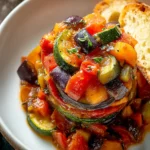
Mediterranean Vegetable Medley
- Total Time: 40 minutes
- Yield: 4 servings 1x
- Diet: Vegan
Description
A delicious and healthy Mediterranean vegetable medley that is easy to prepare and packed with flavor.
Ingredients
Scale
- 1 medium eggplant (cubed)
- 2 medium zucchinis (sliced)
- 2 bell peppers (diced, any color)
- 1 medium onion (chopped)
- 3 cloves garlic (minced)
- 1 can (14 oz) crushed tomatoes
- 3 tbsp extra virgin olive oil
- 1 tsp fresh basil (chopped)
- 1 tsp fresh thyme (chopped)
- Salt and pepper to taste
Instructions
- Prep your vegetables by washing and chopping them into uniform pieces.
- In a large skillet, heat olive oil over medium heat. Add chopped onions and minced garlic, cooking until fragrant and translucent (about 3-4 minutes).
- Add cubed eggplant to the skillet and sauté until tender (approximately 5-7 minutes).
- Stir in sliced zucchini and diced bell peppers; cook until softened (about 5 minutes).
- Pour in crushed tomatoes along with salt, pepper, basil, and thyme. Simmer gently for 15-20 minutes to meld flavors.
- Adjust seasoning if necessary. Serve warm or allow to cool before serving.
Notes
- For best results, try to chop the vegetables into similar sizes for even cooking.
- Add more herbs or spices according to your taste preference.
- Prep Time: 15 minutes
- Cook Time: 25 minutes
- Category: Vegetables
- Method: sauté
- Cuisine: Mediterranean
Nutrition
- Serving Size: 1 cup
- Calories: 150
- Sugar: 5g
- Sodium: 300mg
- Fat: 7g
- Saturated Fat: 1g
- Unsaturated Fat: 6g
- Trans Fat: 0g
- Carbohydrates: 20g
- Fiber: 6g
- Protein: 3g
- Cholesterol: 0mg